Five Phones, One Rhythm Game: Our Under-$200 Geometry Dash Stress Test
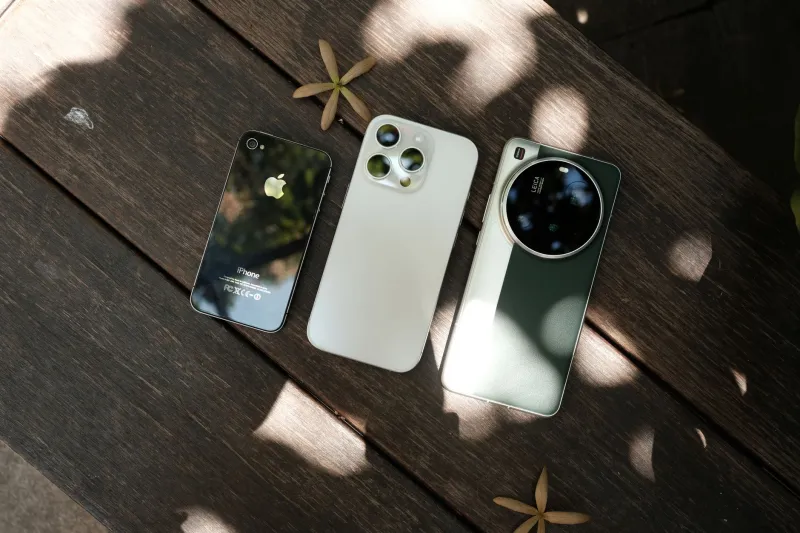
Flagship phones are great, but let's be honest — most of us aren't dropping a grand on a device just to jump a cube over spikes. So we rounded up five popular budget Android phones, all under $200, and put them through the only test that matters at GD Vault: can they actually run Geometry Dash without turning your inputs into a lottery?
The Contenders
Our lineup, all purchased at typical US retail prices:
- Moto G Power (2024) — ~$149, Motorola's battery king
- Samsung Galaxy A15 — ~$199, the default Walmart and Best Buy pick
- OnePlus Nord N30 — frequently on sale under $200
- TCL Stylus 5G — ~$129, the wild card
- Galaxy A14 (used/refurb) — the budget of the budget
Each phone ran the same gauntlet: Stereo Madness for baseline, a wave-heavy modern level for consistency, and a 20-minute practice grind to test thermals.
Frame Consistency: Where Cheap Phones Fall Apart
Geometry Dash isn't demanding by 2024 standards, but it is unforgiving. A single dropped frame at 95% of a ship sequence is a death sentence.
The Moto G Power was the surprise winner. Its 90Hz panel and efficient chipset kept the game locked at a steady framerate for nearly the entire test, with hiccups only in wave-heavy custom levels packed with effects. The Nord N30's 120Hz screen made inputs feel noticeably snappier, though it throttled slightly during long sessions.
The Galaxy A15 held a playable framerate but showed microstutter in cluttered custom levels — fine for official levels, risky for extreme demons. The TCL Stylus 5G was playable but clearly the floor of the group, with visible inconsistency during the wave sections.
Touch Latency: The Silent Killer
Frame rate means nothing if your taps register late. Using a slow-motion camera against a metronome app, we measured tap-to-jump delay:
- Nord N30 — fastest response of the group
- Moto G Power — close behind, consistent
- Galaxy A15 — acceptable, slightly mushy
- Galaxy A14 — noticeable delay under load
- TCL Stylus 5G — the laggiest, especially when the phone warmed up
If you've ever sworn a jump "didn't register," it might not be you. It might be the phone.
Thermals: Who Stayed Cool?
Twenty minutes of practice mode on a demon is our stress test. The Moto G Power and Galaxy A15 stayed merely warm. The Nord N30 got toasty around the camera bump — not uncomfortable, but enough to trigger mild throttling. The TCL was the one you'd want to set down between attempts.
The Verdict
Best overall: Moto G Power — the best blend of price, consistency, and battery life for serious grinding.
Best for competitive play: Nord N30 when on sale — that high refresh rate is a genuine advantage for fast-paced levels.
Best absolute cheapest: a refurb Galaxy A14, as long as you stick to official levels.
The takeaway? You don't need a flagship to beat Deadlocked. You do need a phone that holds a steady framerate and doesn't add input lag on top of your own reaction time. Spend under $200, pick wisely, and your wallet takes the hit instead of your progress bar.