One Thumb, No Excuses: Inside Geometry Dash's Growing Constraint-Run Movement
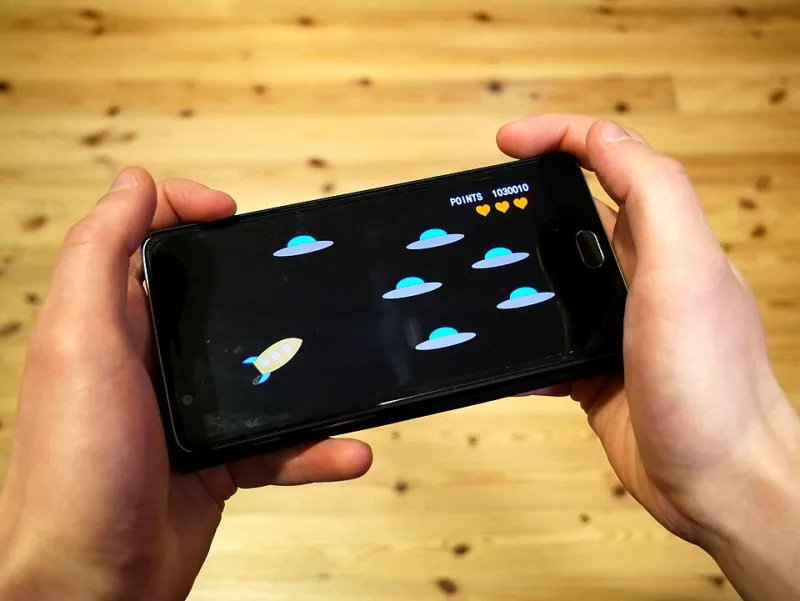
Photo: Santeri Viinamäki, CC BY-SA 4.0, via Wikimedia Commons
Geometry Dash is already a game about doing things the hard way. So naturally, some players looked at it and thought: what if we made it harder?
Welcome to the world of constraint runs — a corner of the community where the level isn't the challenge. Your body, your device, your senses are.
What Counts as a Constraint Run?
The rules vary, but the most popular formats floating around Discord servers and TikTok feeds right now include:
- One-handed runs — playing with a single thumb, phone in the other hand or propped on a desk. Popular with commuters who literally only have one hand free on the train.
- Sound-only runs — eyes closed or screen covered, navigating purely by the music and jump sound cues. This is the hardcore end, and the clips are wild.
- Weird hardware runs — foldables half-folded, controllers emulated through remote play setups, even a cracked phone with a dead zone in the corner of the screen.
- Reverse grips and mirrored screens — flipping the phone or playing with the non-dominant hand.
None of this is officially recognized by RobTop, and that's kind of the point. It's a self-policing honor system. You film the run, you post it, and the community decides whether it counts.
Why Mobile Players Are Leading This
Here's the thing: constraint runs make way more sense on a phone than on PC. Mobile players already deal with latency, smaller screens, and thumb cramps. Adding a constraint doesn't feel artificial — it feels like leaning into the platform.
There's also a content angle. "I beat Stereo Madness with one thumb" is a 30-second video that travels. The format is tailor-made for Shorts and TikTok, and a wave of US-based creators have built modest followings almost entirely on gimmick completions. The constraint is the hook; the genuine skill is the payoff.
And honestly? Some of these players are absurdly good. One-thumb runs of levels most people can't beat with two hands are a humbling watch.
The Beginner's Ladder to Your Own Challenge Run
If this sounds fun, don't start with sound-only Clubstep. You'll quit in an afternoon. Here's the ramp that seems to work for most players trying their first constraint:
- Non-dominant hand, first five levels. Stereo Madness through Base After Base with your off-hand. It's harder than it sounds but very doable.
- One thumb, desk-propped phone. Prop the phone flat and play with a single thumb. This is the natural commuter format.
- Muted run, eyes on. Play a familiar level with sound off. It wrecks your rhythm in a revealing way — you'll learn how much you lean on the music.
- Sound-cue practice. Pick a short level you know cold, then attempt it with the screen half-covered, listening for jump cues. Fail early, fail cheap.
- The full sound-only run. Only after you can hum the level from memory.
The unwritten rule of the community: pick a constraint you can film honestly. Nobody's checking your setup, but everybody can smell a fake.
More Than a Gimmick
The cynical take is that constraint runs are just content-farming a ten-year-old game. But spend any time in these communities and you'll see something else: constraint runs are making people better. Players who train one-handed report that normal play feels easier afterward. Sound-cue practice sharpens rhythm in ways visual play doesn't.
Geometry Dash has always been about imposing order on chaos. Constraint players just add their own rules to the chaos — and they're having a blast doing it. Maybe the real endgame was never beating the level. Maybe it was deciding, yourself, what counts as beating it.