Clicks, Claps, and Cash: How Geometry Dash Streamers Are Turning Mobile Gameplay Into Real Income

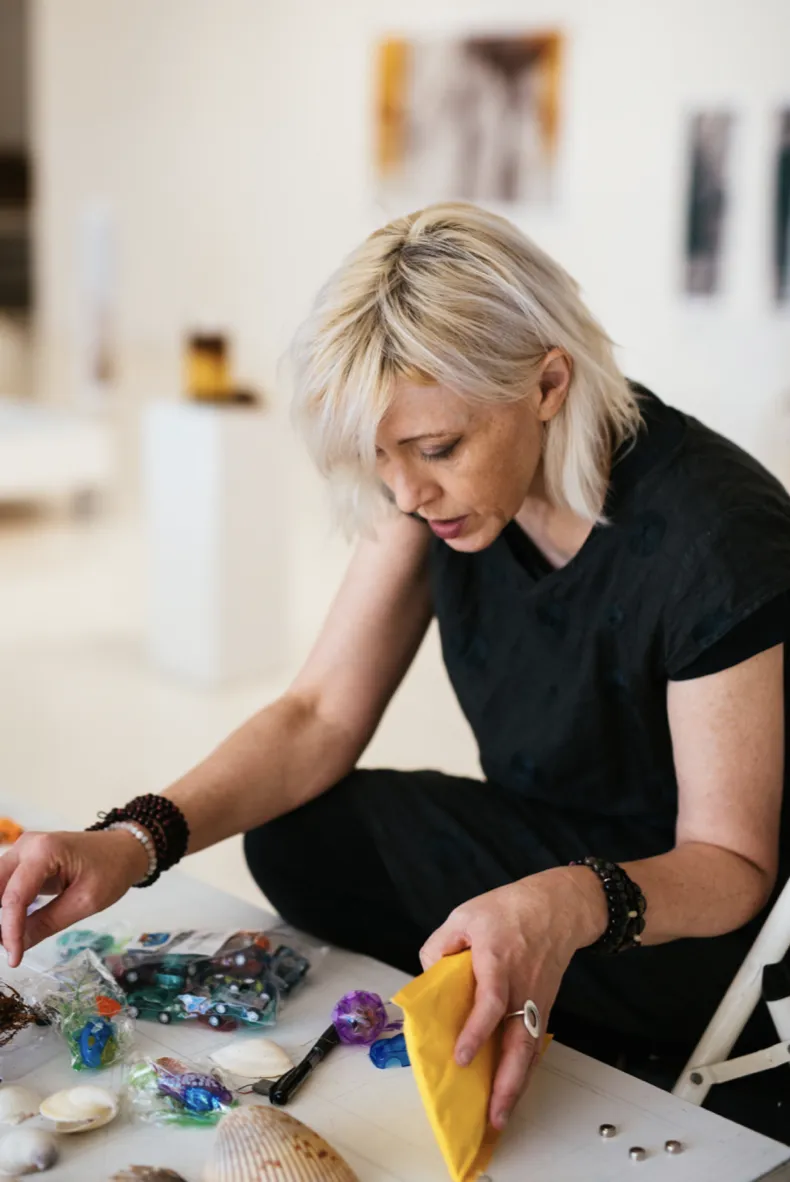
Photo by Photo by Onur Binay on Unsplash on Unsplash
If you'd told someone five years ago that people would build full-time careers streaming a rhythm-based mobile platformer, they probably would've laughed. Fast forward to 2024, and the Geometry Dash streaming community is genuinely thriving — with creators pulling in sponsorships, subscription revenue, and donation income by doing exactly what they'd be doing anyway: grinding levels, attempting demons, and reacting to the chaos in real time.
But here's the thing — most of the advice out there for gaming streamers is aimed at Fortnite or Valorant players. The GD niche operates a little differently, and if you're going to build something real around it, you need a strategy that actually fits the game.
Why Geometry Dash Works Surprisingly Well for Streaming
On the surface, GD might not seem like obvious streaming material. There's no voice chat, no team dynamics, no narrative arc. It's just one player, one level, and a whole lot of failure. But that's actually the point — and it's exactly what makes it compelling to watch.
The emotional rollercoaster of a GD run is almost tailor-made for a live audience. Viewers invest in the streamer's attempts, feel the frustration of a 97% fail, and erupt when the completion finally happens. That shared experience creates genuine community moments that keep people coming back. Demon attempts in particular are streaming gold — the longer and more difficult the level, the more tension builds, and tension is what drives watch time.
Mobile gameplay adds another wrinkle. Playing GD on a phone introduces a slightly different visual aesthetic and a touchscreen dynamic that many desktop players find interesting to watch. If you're streaming from your phone and highlighting that aspect, you're already differentiating yourself from the majority of GD content creators.
Setting Up Your Streaming Rig Without Breaking the Bank
You don't need a $3,000 PC setup to start streaming GD, especially if mobile is your primary platform. Here's a realistic gear progression for someone starting out:
Entry level: A decent smartphone (anything from the last three or four years works fine), a phone mount or tripod, and a pair of earbuds with a built-in mic. Stream directly through the Twitch or YouTube mobile apps, or use a lightweight app like Streamlabs Mobile. Total cost? Potentially zero if you already own the phone.
Mid-tier: Add a budget USB microphone (the Blue Snowball is a classic entry point around $50), a ring light for better face cam quality, and a capture card if you want to run your phone feed through a PC for more control over your stream layout. Apps like OBS on desktop give you a lot more flexibility with overlays, alerts, and scene switching.
Committed setup: A dedicated streaming PC, a quality webcam or mirrorless camera for face cam, acoustic foam if you're in a noisy environment, and a proper stream deck for managing scenes on the fly. At this point you're looking at a few hundred to a few thousand dollars, but most successful streamers build to this level gradually rather than all at once.
The honest advice? Start with what you have. The audience comes before the gear upgrade budget.
Building an Audience: What Actually Works in the GD Niche
Growing a streaming audience is slow for almost everyone, and GD is no exception. But there are specific tactics that tend to work well within this community.
Consistency beats perfection. Streaming on a predictable schedule — even just two or three times a week — does more for audience growth than sporadic marathon sessions. Viewers need to know when to show up, and the algorithm rewards regular activity.
Clips are your marketing department. The best GD moments — a wild completion, a heartbreaking near-miss, a funny reaction — make incredible short-form content. Clip those moments and post them to TikTok, YouTube Shorts, and Instagram Reels. Short clips are how most new viewers discover streamers in 2024, and GD's inherent drama makes for genuinely shareable content.
Engage with the GD community off-stream. Be active in the r/geometrydash subreddit, join Discord servers, comment on other creators' content. The GD community is tight-knit, and players who are visible in community spaces tend to pick up followers organically. Don't be promotional about it — just be a real participant.
Pick a lane. Are you the demon-attempt streamer? The chill variety player who explores creator levels? The educational streamer who breaks down mechanics? Having a clear identity makes it much easier for potential followers to decide whether your channel is for them.
The Money Side: How GD Streamers Actually Earn
Let's talk revenue, because that's what you're here for.
Twitch subscriptions and bits. Once you hit Twitch Affiliate status (which requires 50 followers, 500 total minutes broadcast, 7 unique broadcast days, and an average of 3 concurrent viewers — all achievable within a few months of consistent effort), you unlock subscriptions and Bits. Subscribers pay $4.99, $9.99, or $24.99 per month, and Twitch splits that with you. It's not life-changing money at first, but it compounds as your audience grows.
YouTube ad revenue. If you're uploading VODs, highlights, or dedicated YouTube content alongside your streams, ad revenue kicks in once you hit 1,000 subscribers and 4,000 watch hours. GD content tends to have decent watch time because of the tension-and-release structure, which helps with monetization thresholds.
Donations and tips. Streamlabs and StreamElements both offer tipping integrations, and the GD community is known for being supportive of creators they like. Hype trains during demon completions are a real thing — viewers donate to celebrate the moment, and those spikes can be significant.
Sponsorships. This is where things get interesting for GD-specific creators. Gaming peripheral brands, VPN services, and gaming snack/energy drink companies all run influencer programs that don't require massive audience sizes to participate. Micro-influencer deals (for creators with 1,000–10,000 followers) are increasingly common, and a niche audience often converts better than a broad one. Companies like NordVPN, Razer, and various mobile gaming accessory brands have all worked with small gaming creators.
Merch. Once you've built a recognizable brand — a logo, a catchphrase, a community identity — platforms like Printful or Spring make it easy to sell branded merchandise without upfront inventory costs. GD's visual aesthetic translates well to apparel and sticker designs.
The Long Game
Nobody blows up overnight in the GD streaming space. The creators who are making real money in 2024 started grinding their channels two, three, sometimes five years ago. But the barrier to entry has also never been lower — the tools are free or cheap, the community is hungry for content, and the game itself keeps generating new moments worth streaming.
If you're serious about turning your GD gameplay into something more than a hobby, start streaming this week. Don't wait for the perfect setup, the perfect schedule, or the perfect moment. The vault is open — you just have to walk in.